
Electrical Switchyard Hazards and Mitigation Measures in a Substation
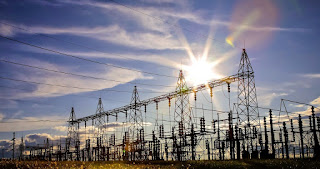
Electrical Switchyard Hazards and Mitigation Measures in a Substation


Hazard & Brief Description

  1. Electrical shock: Contact with live electrical equipment or conductors.
  2. Arc flash and arc blast: Intense release of heat, light, and pressure waves during faults.
  3. Fire and explosion: Risk of fires and explosions due to electrical faults or flammables.
  4. Equipment failure: Malfunctioning or faulty equipment leading to operational disruptions.
  5. Falls from height: Risks of falling from elevated structures within the switchyard.
  6. Chemical exposure: Exposure to hazardous substances used in the switchyard.
  7. Noise exposure: Excessive noise levels from high-voltage equipment and machinery.
  8. Mechanical hazards: Risks associated with moving machinery or heavy objects.
  9. Confined spaces: Hazards related to working in confined spaces within the switchyard.
  10. Weather-related hazards: Risks associated with extreme weather conditions.


For Downloading the File in PDF HD Format, please Click Below


Comments

Popular posts from this blog

Understanding Major Differences between SCBA, SCUBA, and EEBD Equipment

 Understanding Major Differences between SCBA , SCUBA , and EEBD Equipment SCBA  (Self-contained breathing apparatus) SCUBA  (Self-Contained Underwater Breathing Apparatus) EEBD  (Emergency Escape Breathing Device) For Downloading the File in PDF HD Format, please Click Below

Critical Issues in Permit to Work (PTW) Management for a 132KV Grid Station

  Critical Issues in Permit to Work (PTW) Management for a 132KV Grid Station The permit to work (PTW) system in a 132KV grid station, or any other workplace, is designed to ensure the safety of workers and prevent accidents. Key issues related to the PTW system in a 132KV grid station may include: Key Issues Lack of proper authorization Inadequate risk assessment Poor communication Inadequate training Non-compliance with safety protocols Inefficient permit management Lack of supervision and monitoring Inadequate maintenance and inspection Lack of hazard identification and control Insufficient emergency preparedness Poor documentation and record-keeping Lack of employee involvement and engagement For Downloading the File in PDF HD Format, please Click Below

A Guide to Managing Cement Dust Hazards in Compliance with OSHA

 A Guide to Managing Cement Dust Hazards in Compliance with OSHA Cement dust, a frequently encountered airborne hazard in construction and industrial environments, presents a range of substantial risks to the respiratory health of workers. The inhalation of cement dust particles can lead to various respiratory issues, including but not limited to irritation of the respiratory system, allergic reactions, respiratory disorders, and skin and eye irritation. Therefore, it is crucial for individuals working in such settings to be aware of the potential hazards associated with cement dust and to implement appropriate preventive measures to safeguard their respiratory well-being. Common Hazards Permissible Exposure Limit (PEL) Measurement Equipment and Tools Control Measures Trainings and Inspections Frequency of Trainings and Inspections For Downloading the File in PDF HD Format, please Click Below